Dracula Casino Licence, Trust and Reputation
 Available in GB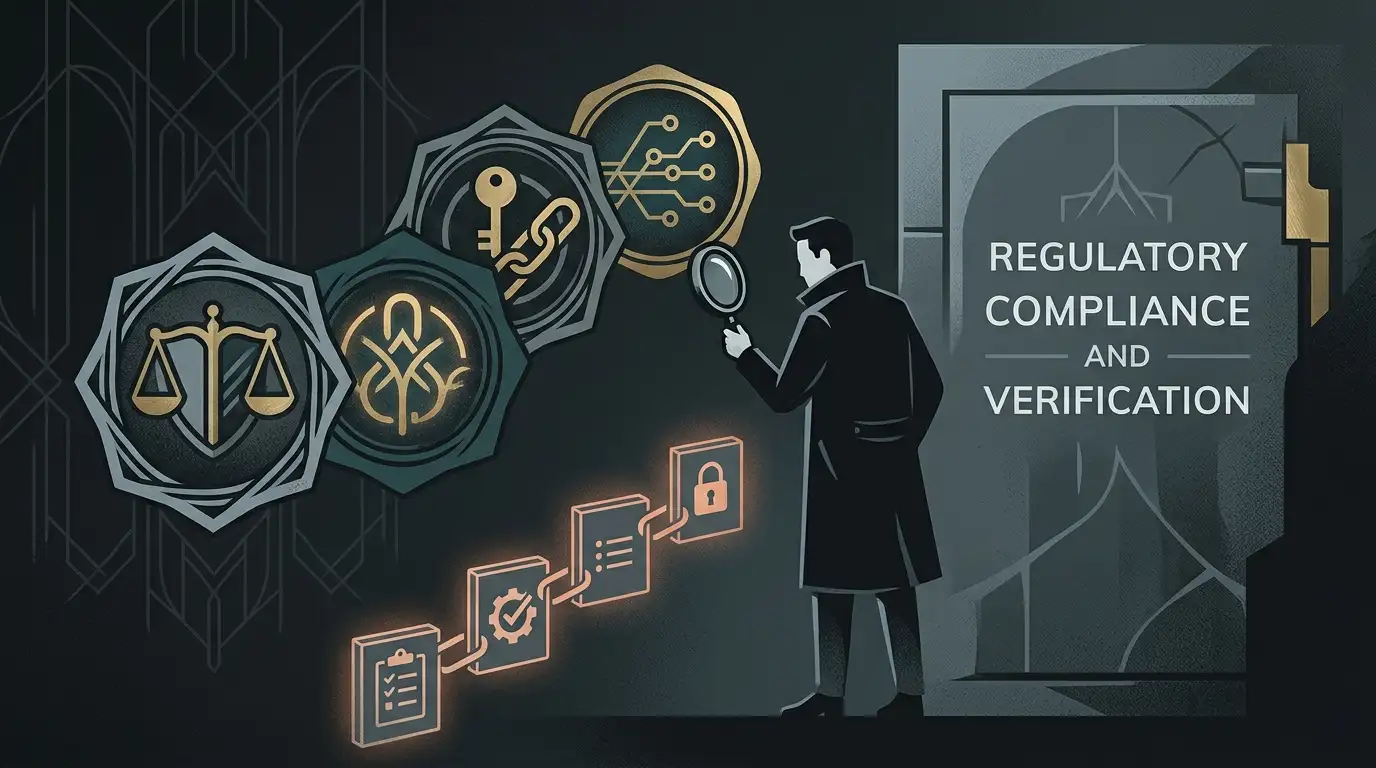
No verified UK Gambling Commission licence was found for Dracula Casino in the current public register. That is the most important regulatory fact for a reader in Great Britain because online casino operators serving consumers here require an appropriate Gambling Commission licence. That register result does not by itself establish that the brand is “safe”, a “scam”, legal or illegal.
Public sources make conflicting claims about the operator and offshore licensing. Those claims are not strong enough to replace a current regulator entry for a licence number or status. The practical distinction is between the Great Britain regulatory position, unresolved offshore claims and reputation anecdotes.
Table of Contents
- The UKGC register result is the starting point
- What Great Britain licensing changes for the decision
- Evidence hierarchy for licence and operator claims
- Offshore licence claims remain unresolved
- Reputation is not the same as regulation
- GAMSTOP and other GB protections are market context
- A practical trust check before funding an account
- How to interpret the evidence hierarchy
- What the UKGC result changes for a British reader
- How to document a licence check
- Decision threshold
- What Dracula Casino’s licence evidence means for a UK reader
The UKGC register result is the starting point
The current UK Gambling Commission public register found no verified local licence for Dracula Casino. The Gambling Commission’s business register is designed to be searched by business name, trading name, domain name or account number, making it the appropriate primary source for a Great Britain operating-licence claim.
A no-hit result does not support a claim that Dracula Casino is UKGC licensed or that UKGC protections apply to its users. It does not, by itself, settle every question about the brand’s availability or legal position in every circumstance. For the broader assessment, return to the Dracula Casino review.
What Great Britain licensing changes for the decision
Online casino operators serving consumers in Great Britain require an appropriate Gambling Commission licence. That framework is more than a logo: licensed remote operators are subject to regulatory requirements and market safeguards. For a UK reader, the absence of a verified local licence is therefore a material distinction when comparing Dracula Casino with a UKGC-licensed alternative.
This also affects how other pages on this site should be read. A reported bonus, payment method or game feature does not establish local licensing. Feature evidence and licence evidence are separate. For account setup and verification, see registration and KYC.
Evidence hierarchy for licence and operator claims
| Evidence | Relative weight | What it can establish |
|---|---|---|
| UKGC public register | Primary | Whether a Great Britain licence can be verified |
| Offshore regulator register or operator licence page | Primary for that jurisdiction | Current offshore licence number or status when directly visible |
| Operator terms | Strong for operator identity and account rules | Current contractual entity and restrictions |
| Independent reviews | Supporting | Feature cross-checks and reputation context |
| User comments | Anecdotal | Issues worth investigating, not regulatory proof |
Conflicting third-party offshore licence descriptions are not treated as a definitive current licence record. A licence number or expiry is a high-risk fact and needs direct regulator or operator licence evidence. For payout mechanics, see withdrawals.
Offshore licence claims remain unresolved
Current public pages disagree about the claimed offshore jurisdiction and licence details. Without direct regulator-level confirmation, no conflicting licence number is treated as settled fact.
If an offshore licence is important to your decision, verify the operator name, domain and licence status directly in the named regulator’s current register. Matching only a casino name is weaker than matching the legal entity and domain as well. For cashier options, see payment methods.
Reputation is not the same as regulation
Reviews and player reports can flag recurring themes such as account verification, withdrawals or support, but they do not prove licence status. Individual complaints can also lack the account history or operator response needed to judge what happened.
Use reputation evidence as a prompt for concrete checks. Read the current withdrawal information, understand registration and KYC, and compare the terms you can actually see with claims made by review sites. A specific, verifiable policy is more useful than a generic star rating. For promotional conditions, see the Dracula Casino bonuses guide.
GAMSTOP and other GB protections are market context
GAMSTOP is the national online self-exclusion scheme used by Gambling Commission-licensed operators. That is relevant context for British readers, but GAMSTOP is not presented as a Dracula Casino feature because no UKGC licence was verified for the brand.
The same separation applies to Great Britain’s broader consumer and advertising framework. Gambling advertising is subject to social-responsibility and audience-protection rules, but those market rules should not be turned into an unsupported statement that a particular unverified operator participates in every UKGC protection.
A practical trust check before funding an account
Start with the regulator register, then identify the legal operator in the current terms, and verify any claimed offshore licence against the relevant regulator. After that, inspect withdrawal rules, verification requirements and support routes before depositing. These checks produce evidence you can act on instead of relying on labels such as “trusted” or “safe”.
Also keep availability separate from licensing. Current public sources contain conflicting signals about UK acceptance, so use your real location and current operator terms rather than trying to infer eligibility from a bonus page or payment logo.
How to interpret the evidence hierarchy
Regulator-level evidence should carry more weight than promotional wording, affiliate summaries or user comments when the question is licence status. For a UK reader, the relevant local benchmark is the UK Gambling Commission register. Dracula Casino does not appear there with a verified licence. That is a specific evidence result, not a licence claim about every jurisdiction and not a substitute for checking any offshore regulator directly.
Operator and offshore-licence claims should therefore be treated as unresolved until they can be matched to regulator-level evidence. A footer statement, review-site description or copied licence number can be a lead, but it is not equivalent to a current regulator record. If two sources conflict, the correct response is to preserve the conflict and continue the check rather than choose the version that makes the brand look safer or riskier.
Reputation evidence sits lower in the hierarchy. User reviews can reveal recurring themes worth investigating, but they cannot establish licensing, official withdrawal rules or a legal conclusion. Positive sentiment does not create regulatory protection, and negative sentiment does not by itself prove misconduct. This separation keeps the page from turning anecdote into policy.
What the UKGC result changes for a British reader
The absence of a verified UKGC register entry matters because UKGC licensing is the local framework tied to the regulated Great Britain market. It means the reader should not assume that UKGC consumer protections apply to Dracula users. It also means brand availability, product quality or a visible registration form should not be used as substitutes for the missing local licence evidence.
That finding does not establish a universal label such as safe, scam, legal or illegal. Those labels would collapse several different questions into one word. The evidence can support a narrower and more useful conclusion: the local licence check did not produce a verified UKGC result, while other operator or offshore-licence claims remain subject to regulator-level confirmation.
GAMSTOP and other GB protections are therefore discussed as market context, not as Dracula features. A reader should verify which protections actually attach to the operator and account they are considering. The decision should be based on confirmed coverage rather than the assumption that every gambling website accessible from Britain participates in the same local systems.
How to document a licence check
A licence check should be reproducible. Record the regulator searched, the brand or operator name used, the date of the search and whether the result can be matched to the site under review. If no UKGC entry can be verified, state exactly that rather than broadening the finding into a claim about every possible jurisdiction.
If an offshore licence is claimed elsewhere, verify it at the named regulator before using it as a current fact. A copied licence number, footer badge or review-site statement is not enough on its own. Where regulator-level confirmation is absent or conflicting, keep the status unresolved. This preserves the distinction between evidence that can be independently checked and promotional or secondary claims.
Decision threshold
For a UK-focused decision, do not let uncertainty about one offshore claim cancel a clear local-register result. The local check and any offshore check answer different questions. If UKGC protection is important to you, require direct evidence of that protection rather than treating another licence claim as an equivalent substitute. If further operator evidence appears later, update the record without rewriting what the earlier check actually established.
What Dracula Casino’s licence evidence means for a UK reader
The strongest verified conclusion is narrow but important: no verified UK Gambling Commission licence was found in the current public register, while a Great Britain-facing online casino requires the appropriate Gambling Commission licence. Current offshore licence claims remain unresolved at the regulator-evidence level used for exact licence details.
For a UK reader, that makes regulatory verification a first-order comparison point. Treat game, bonus and payment claims on their own evidence, but do not mistake those features for proof of UK licensing or UKGC protection.
Keep the UKGC result separate from product quality.
Written by the editors at Dracula Casino.